VA
Explore Parks in Virginia
Virginia features Shenandoah National Park, the Blue Ridge Parkway, and historic sites.
Regions to Explore
Shenandoah ValleyBlue Ridge MountainsTidewaterNorthern Virginia
Parks in Virginia

Appalachian National Scenic Trail
Connecticut
National Park
Activities:
AstronomyStargazingCampingBackcountry Camping+14 more
The Appalachian Trail is a 2,190+ mile long public footpath that traverses the scenic, wooded, pastoral, wild, and culturally resonant lands of the Appalachian Mountains. Conceived in 1921, built by private citizens, and completed in 1937, today the trail is managed by the National Park Service, US Forest Service, Appalachian Trail Conservancy, numerous state agencies and thousands of volunteers.
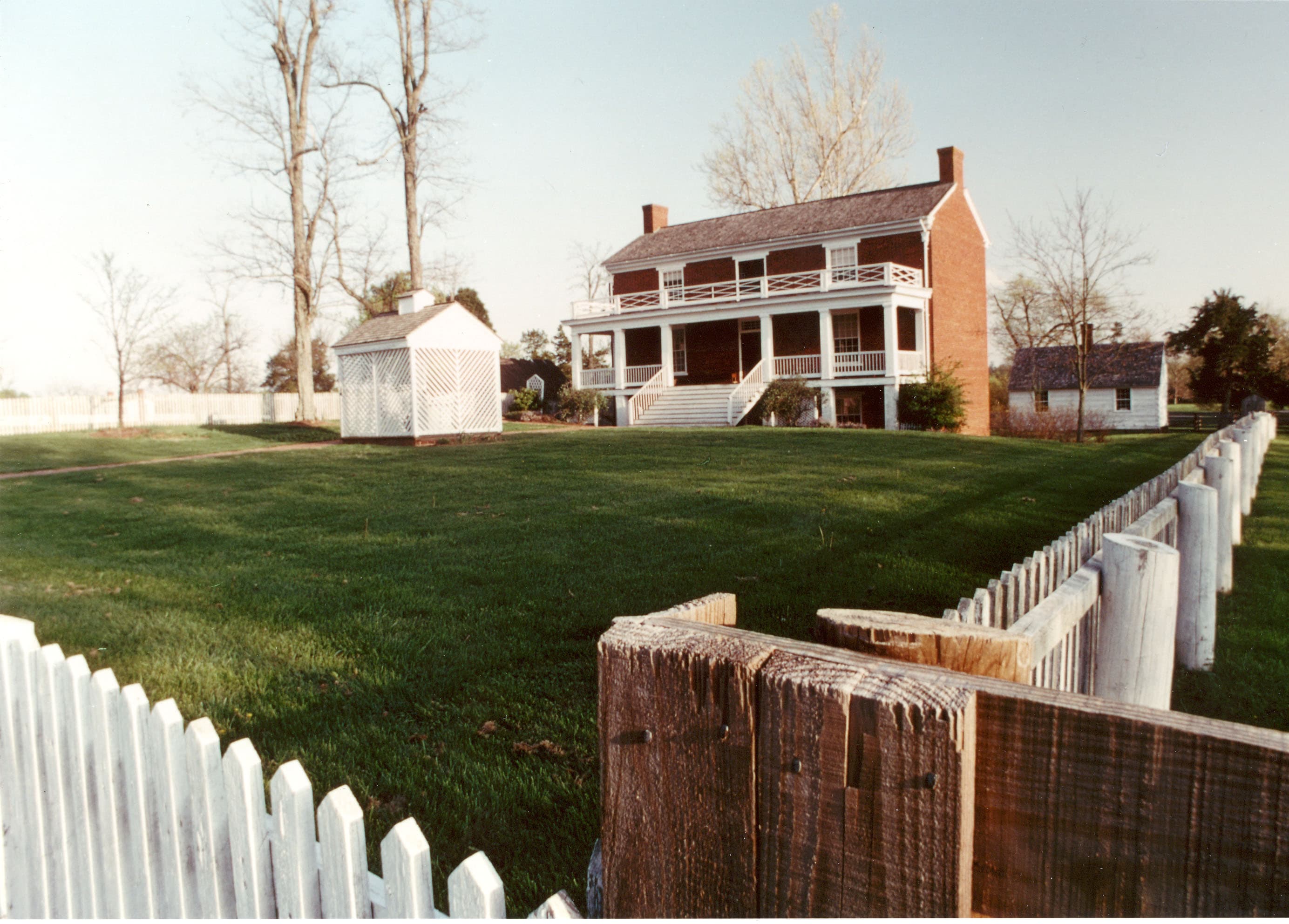
Appomattox Court House National Historical Park
Virginia
National Historic Site
Activities:
Arts and CultureCultural DemonstrationsAuto and ATVScenic Driving+15 more
On April 9, 1865, the surrender of the Army of Northern Virginia in the McLean House in the village of Appomattox Court House, Virginia signaled the effective end of the nation's largest war. Questions remained: could the nation reunite as one? How would emancipation be realized?

Arlington House, The Robert E. Lee Memorial
Virginia
National Park
Activities:
Guided ToursSelf-Guided Tours - WalkingMuseum Exhibits
Arlington House is the nation’s memorial to Robert E. Lee. It honors him for specific reasons, including his role in promoting peace and reunion after the Civil War. In a larger sense it exists as a place of study and contemplation of the meaning of some of the most difficult aspects of American history: military service; sacrifice; citizenship; duty; loyalty; slavery and freedom.
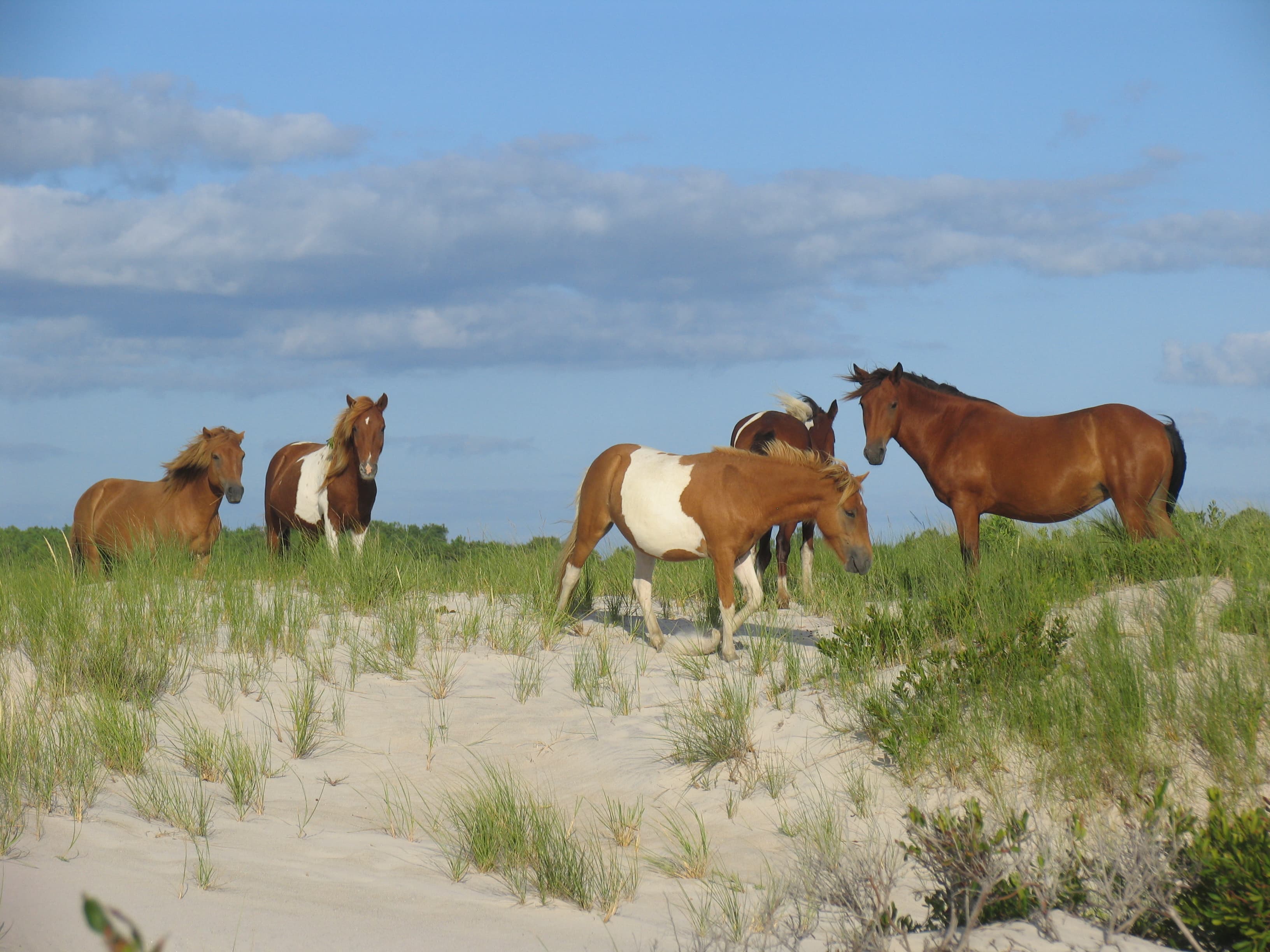
Assateague Island National Seashore
Maryland
National Seashore
Activities:
Arts and CultureAuto and ATVAuto Off-RoadingAstronomy+37 more
Want to live on the edge? Visit a place recreated each day by ocean wind and waves. Life on Assateague Island has adapted to an existence on the move. Explore sandy beaches, salt marshes, maritime forests and coastal bays. Rest, relax, recreate and enjoy some time on the edge of the continent.

Cape Henry Memorial Part of Colonial National Historical Park
Virginia
National Historic Site
Activities:
Guided ToursSelf-Guided Tours - Walking
English colonists first landed here in April 1607, erected a wooden cross and gave thanks for a successful crossing to a new land. In 1781, Americans could watch from these same sand dunes the largest naval battle of the Revolutionary War. Our French Allies defeated a British fleet just off this shore to set the stage for General George Washington's victory at Yorktown.
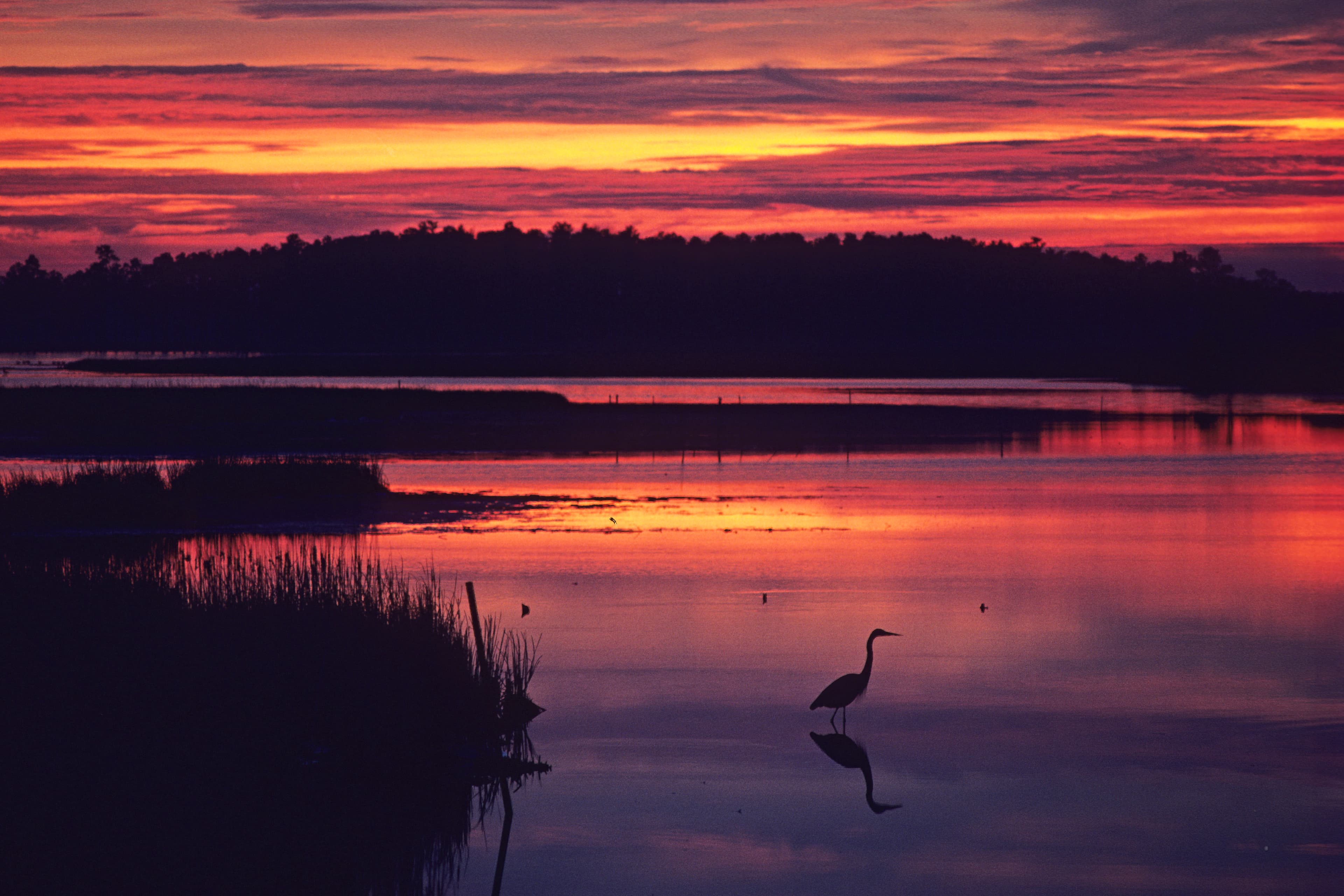
Captain John Smith Chesapeake National Historic Trail
Virginia
National Historic Site
Activities:
Arts and CultureCraft DemonstrationsCultural DemonstrationsBoating+30 more
People first arrived in the Chesapeake Bay during the last ice age. As glaciers melted, diverse societies learned to thrive in a world of water. When Englishman Captain John Smith explored the Bay in 1608, he documented hundreds of American Indian communities. Today, sites on his map are archeological treasures and sacred sites for tribal citizens. Come join us on the shores of the Chesapeake Bay!
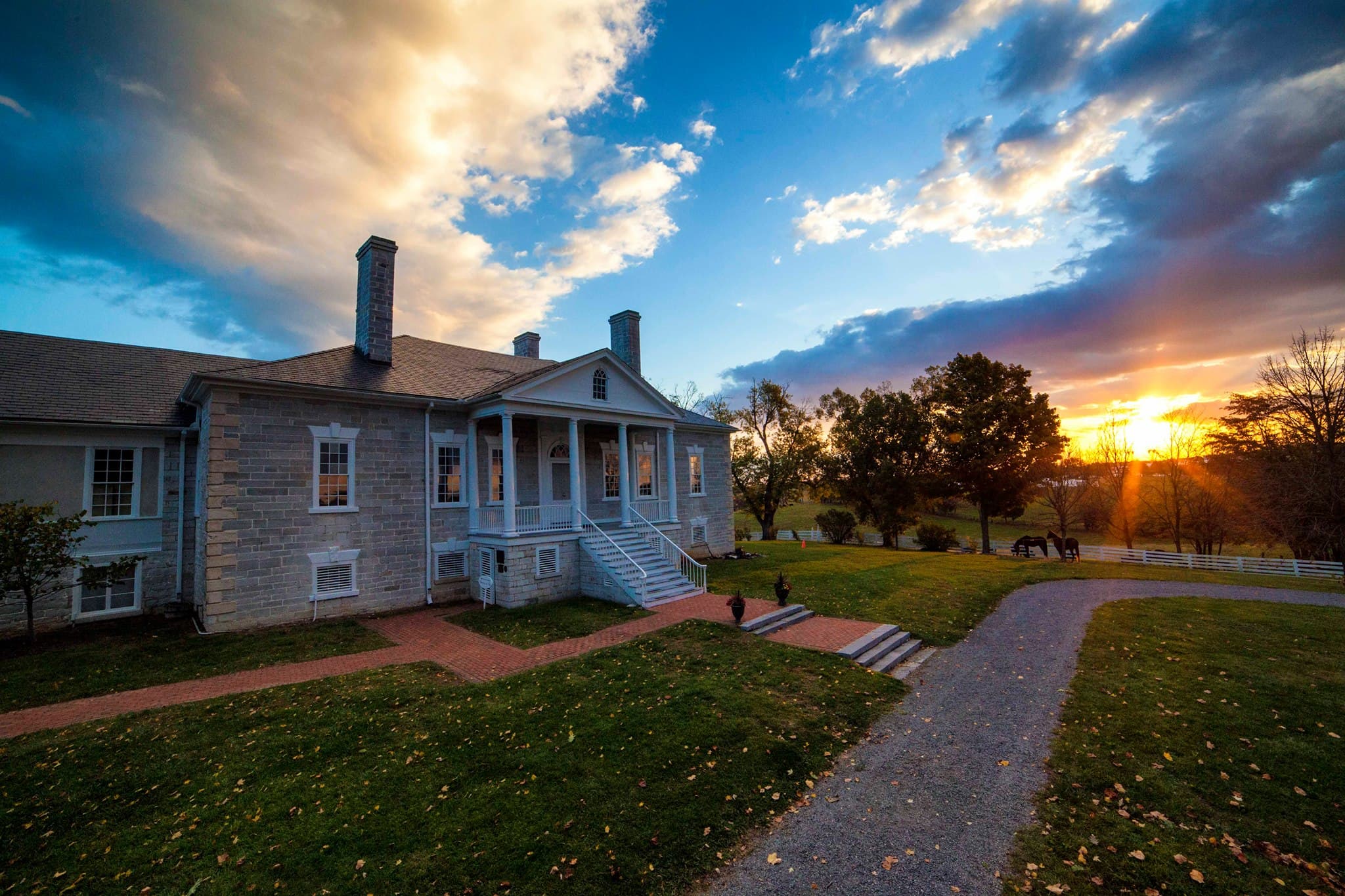
Cedar Creek & Belle Grove National Historical Park
Virginia
National Historic Site
Activities:
Guided ToursSelf-Guided Tours - WalkingSelf-Guided Tours - AutoJunior Ranger Program+4 more
Virginia’s Shenandoah Valley has a long and rich heritage that still inspires today. Native Americans first shaped the land, followed by colonists and settlers. The fertile valley became an important wheat-growing region in the 1800s. It also witnessed dramatic Civil War campaigns, including the Battle of Cedar Creek, a decisive Federal victory that helped bring the war to an end.
Chesapeake Bay
District of Columbia
National Park
Activities:
BoatingCompass and GPSGeocachingGuided Tours+3 more
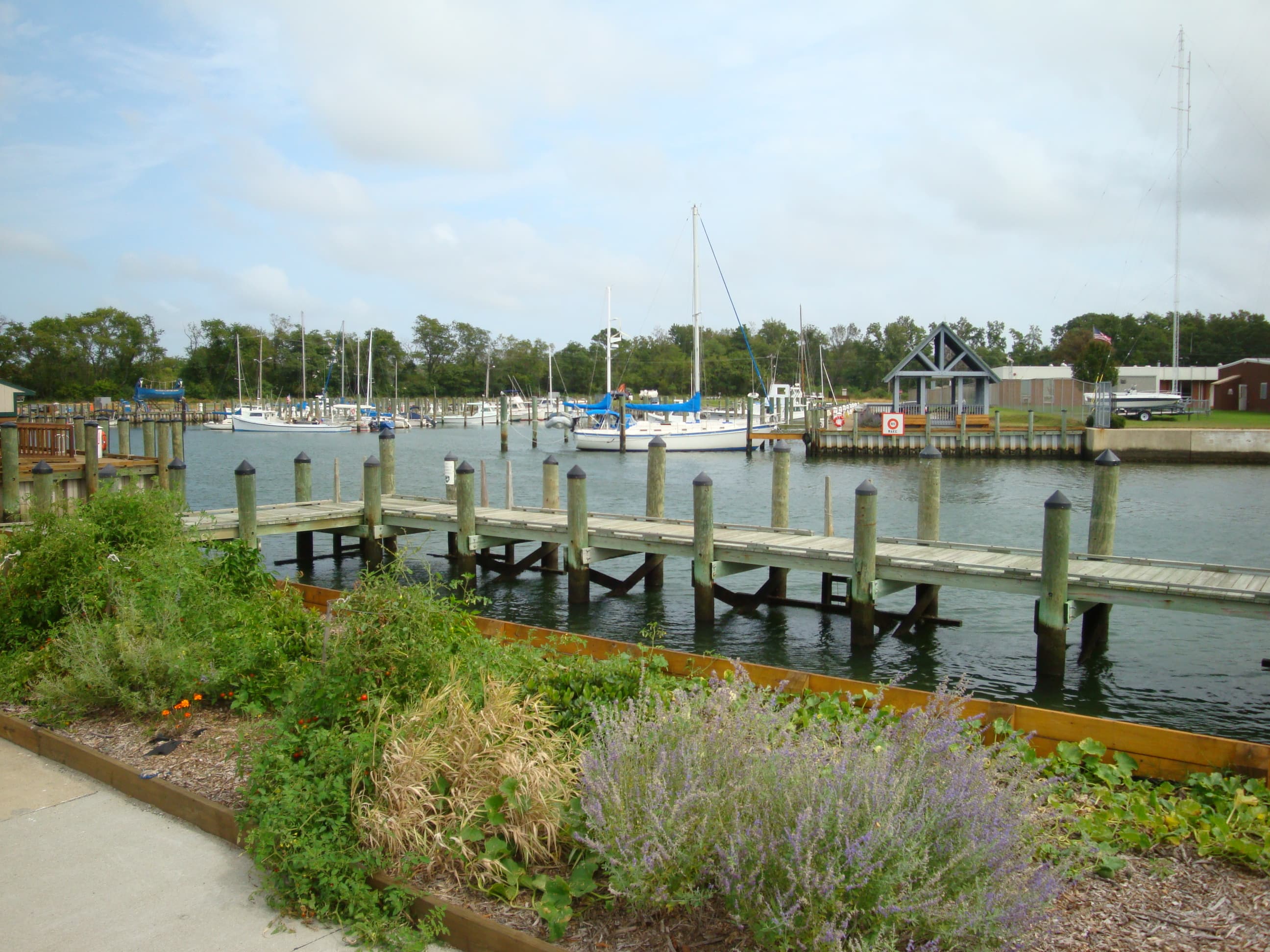
Over 41 million acres are connected through the waters that flow to and through Chesapeake Bay. The National Park Service strives to connect people to the opportunities and adventures throughout the watershed. Inspiring stewardship across this vast region supports recreation, business, tourism, learning, and a thriving natural resource for all to enjoy.
Civil War Defenses of Washington
District of Columbia
National Park
Activities:
Arts and CultureTheaterBikingMountain Biking+12 more
On forested hills surrounding the nation's capital are the remnants of a complex system of Civil War fortifications. These strategic buttresses transformed the young capital into one of the world's most fortified cities. By 1865, 68 forts and 93 batteries armed with over 800 cannons encircled Washington, DC. Today, you can visit 18 of the original sites now managed by the National Park Service.
Colonial National Historical Park
Virginia
National Historic Site
Activities:
Arts and CultureAuto and ATVScenic DrivingBiking+4 more
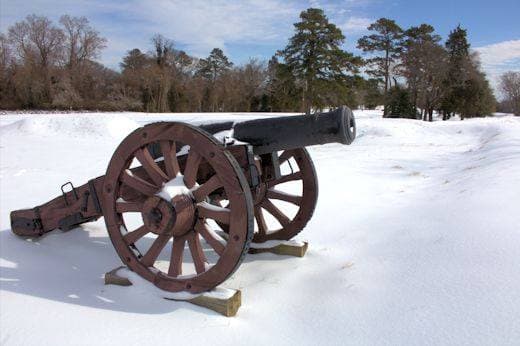
On May 13, 1607, Jamestown was established as the first permanent English settlement in North America. Three cultures came together – European, Virginia Indian and African–to create a new society that would eventually seek independence from Great Britain. On October 19, 1781, American and French troops defeated the British at Yorktown in the last major battle of the American Revolutionary War.
Cumberland Gap National Historical Park
Kentucky
National Historic Site
Activities:
BikingCampingCavingGuided Tours+6 more
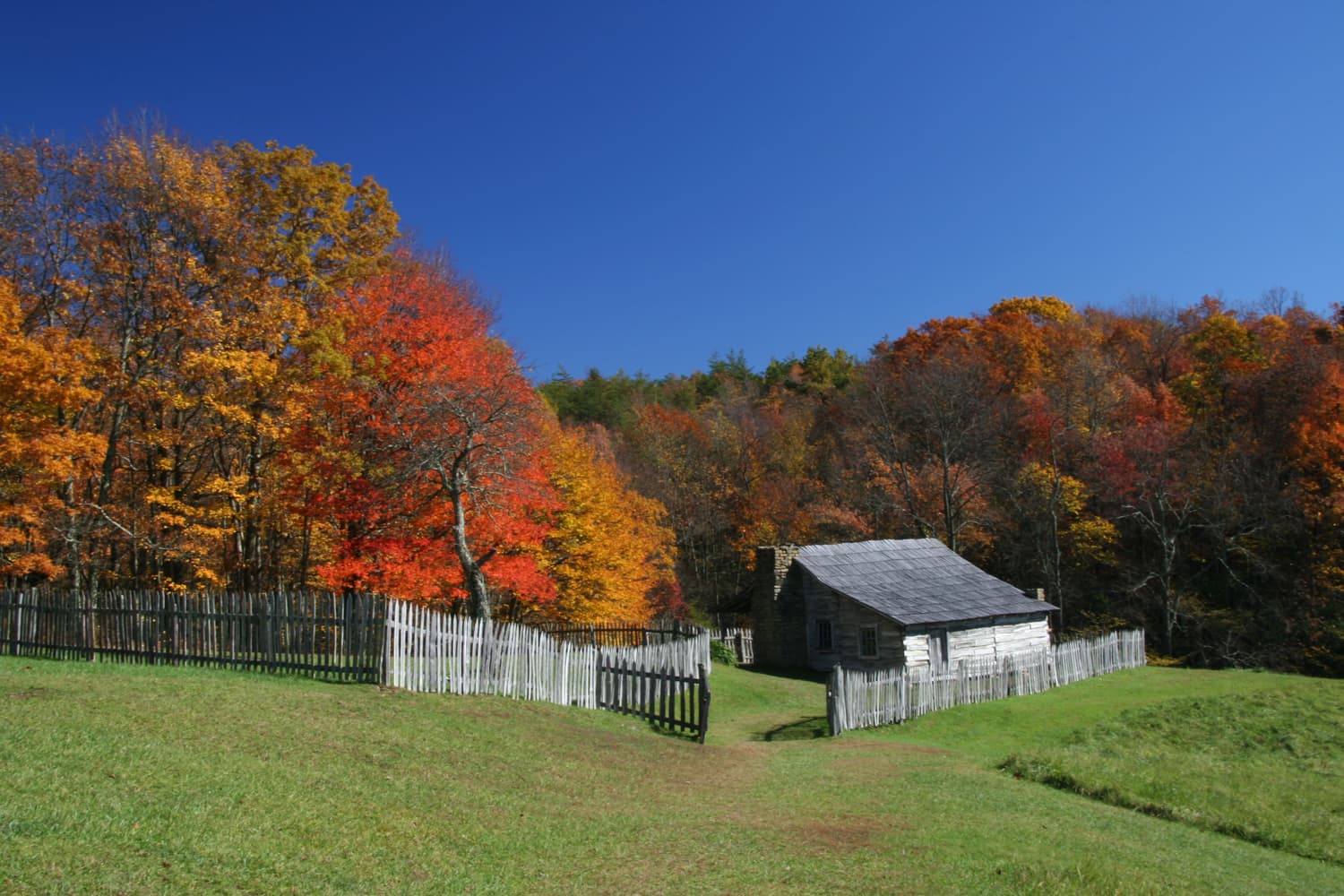
Cumberland Gap was the first great gateway to the west. Come follow the path of bison, Native Americans, longhunters, and pioneers. Walk where 300,000 people crossed the Appalachians to settle America. Explore 85 miles of trails and 14,000 acres of wilderness. Stand in 3 states at once. Explore a cave, see Hensley Settlement, or camp under the stars. Come find your connection to Cumberland Gap.
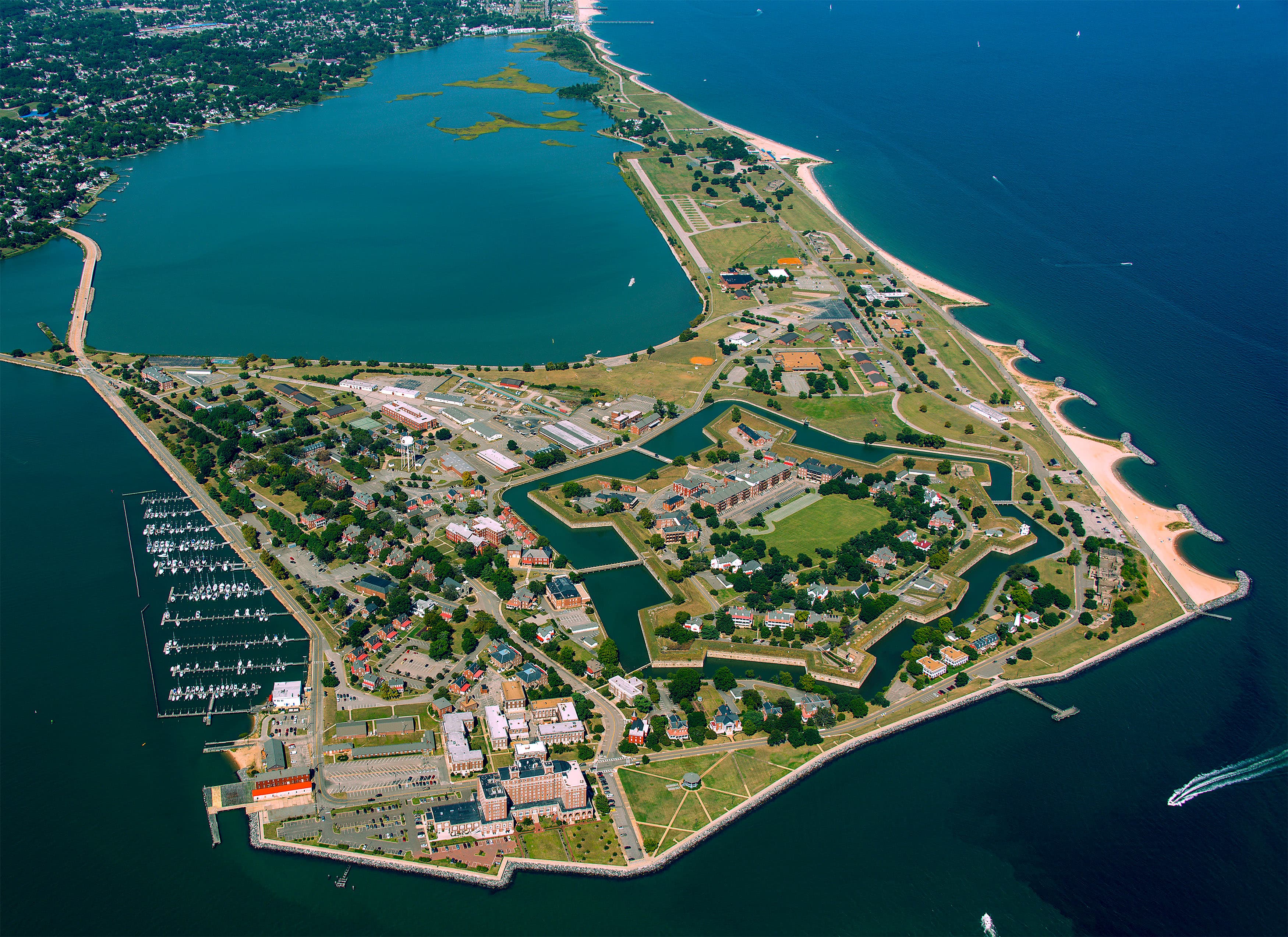
Fort Monroe National Monument
Virginia
National Monument
Activities:
BikingRoad BikingGuided ToursSelf-Guided Tours - Walking+13 more
Fort Monroe's story spans from prehistory to the 2000s. Kecoughtan Indians occupied Old Point Comfort before the arrival of English colonists. The first enslaved Africans arrived in 1619. Those escaping slavery sought their freedom at the fort during the Civil War. The fort remained bastion of national defense until 2011, when it became a national park.
Popular Activities
- Hiking
- Scenic driving
- Leaf peeping
- Fishing
- Camping
Best Times to Visit
- Fall for colors
- Spring for wildflowers
- Summer for hiking
Explore by Activity
Find the best parks in Virginia for your favorite outdoor activities.
Explore More States
Discover parks across the country. Browse all 50 states to find your next adventure.
Get Virginia Park Updates
Receive personalized recommendations and seasonal guides for parks in Virginia.
Park Newsletter
Get weekly park recommendations, seasonal guides, and exclusive tips delivered to your inbox.
We respect your privacy. Unsubscribe at any time.